

Quick answer
The whale watching season in Mirissa runs from November through April, with the highest encounter rates occurring between December and March when blue whales, sperm whales, and spinner dolphins follow nutrient-rich currents along the southern continental shelf. Tours operate daily during these months with departure times between 06:00 and 06:30 from Mirissa Fisheries Harbour, taking advantage of calm morning seas before afternoon winds pick up.
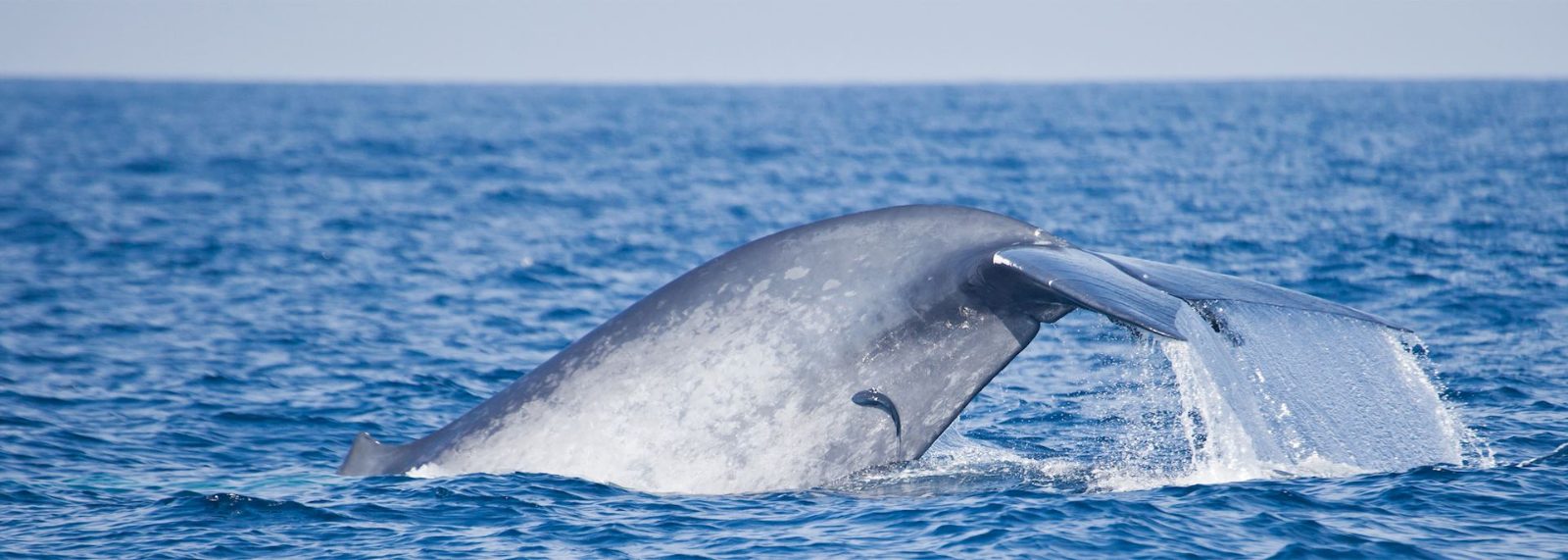
The continental shelf off Mirissa's coast drops from shallow turquoise shallows to depths exceeding 1,000 meters in less than seven nautical miles—a geological feature that funnels deep-ocean giants remarkably close to shore. Blue whales, the largest animals ever to exist, migrate through these waters following krill concentrations that rise from the abyss during the northeast monsoon months. The phenomenon creates one of the world's most accessible whale-watching corridors, where sightings occur on roughly 95 percent of tours during peak season. Whale watching Mirissa season timing aligns precisely with Sri Lanka's dry northeast monsoon, which delivers calm seas and clear skies from November through April. December, January, February, and March represent the statistical peak, when blue whale pods pass daily and sperm whales dive in synchronized intervals visible from tour boats. Spinner dolphins often escort vessels in superpods exceeding 100 individuals. May through October brings the southwest monsoon—rough seas, poor visibility, and a complete absence of commercial whale-watching operations as the marine mammals shift to feeding grounds in other latitudes. The Mirissa whale-watching industry operates under wildlife department regulations requiring certified naturalist guides and strict approach distances. Boats depart before sunrise to position themselves along the shelf edge during the whales' most active feeding hours. Blue whales surface every 8 to 15 minutes to breathe, their blows visible from over a kilometer away. Sperm whales, identifiable by their angled blows and prolonged dives, hunt squid at depths where sunlight never penetrates. Bryde's whales, smaller and more acrobatic, appear year-round but are most commonly spotted during the main season. Mirissa Fisheries Harbour serves as the departure point for all tours, with operators adhering to a shared-boat model that keeps group sizes manageable and reduces ocean traffic. The standard tour lasts three to four hours, tracking whale movements along the continental margin before returning to harbor by mid-morning. Weather conditions remain the limiting factor—even during peak months, occasional swells or low-visibility mornings can reduce sighting probabilities, though cancellations are rare given the reliability of Sri Lanka's dry-season forecasts.
“The continental shelf drops to abyssal depths less than seven nautical miles offshore, funneling blue whales within sight of land during the northeast monsoon.”
Understanding the Whale Watching Mirissa Season
The primary whale watching season in Mirissa spans from November to April, when calm sea conditions align with the migratory patterns of blue whales. During these months, the northern monsoon has receded, providing the most favorable maritime environment for sightings.
November to April
Moderate to highCalm seas, 27°C–30°C
This period offers the highest probability of whale sightings due to favorable ocean currents. It coincides with the peak tourist season in Sri Lanka.
May to October
LowRougher seas, monsoon rains
Stronger winds and higher swells often make boat excursions unpredictable during this monsoon-influenced period.
Morning Departures
High demand—
Early departures are essential as the sea remains at its calmest during the morning hours. This timing minimizes discomfort and maximizes visibility for whale spotting.
Verdict: For the highest success rate, plan your trip between November and April and prioritize morning departures to benefit from the calmest ocean conditions.
Daily Departure Schedule for Whale Watching Mirissa Season
Whale watching tours in Mirissa operate daily during the season. Boats consistently depart in the early morning to take advantage of favorable sea conditions.
| Monday | 06:00–11:00 | |
|---|---|---|
| Tuesday | 06:00–11:00 | |
| Wednesday | 06:00–11:00 | |
| Thursday | 06:00–11:00 | |
| Friday | 06:00–11:00 | |
| Saturday | 06:00–11:00 | |
| Sunday | 06:00–11:00 |
Navigating to the Mirissa Fisheries Harbour
Whale watching tours depart from the Mirissa Fisheries Harbour, located along the southern coast of Sri Lanka. Most visitors reach the harbour by private taxi or local bus services operating along the main A2 highway.
Direct transfer from major southern towns (e.g., Galle or Weligama)
Route 350 or 025 to Mirissa junction
Walk from Mirissa beach area to the harbour entrance
Pre-Departure Checklist for Whale Watching Mirissa Season
Prepare these essentials before your early-morning departure from Mirissa Harbour.
-
Confirm your booking 24 hours ahead — Operators may adjust schedules based on sea conditions or group size.
-
Bring sun protection and a hat — Morning sun intensifies quickly once you're on open water.
-
Pack motion-sickness tablets if prone — Swells can be moderate even during calm-sea months.
-
Wear layered, quick-dry clothing — Early departures are cool; midday sun heats the deck fast.
-
Carry a waterproof bag or case — Spray from the bow can reach seating areas during faster transits.
-
Arrive at the harbour by 06:00 — Boats depart between 06:00 and 06:30 to catch optimal sighting windows.
-
Bring binoculars for distant sightings — Blue whales often surface several hundred meters from the boat.
Check availability
Frequently asked questions about whale watching mirissa season
Everything you need to know about whale watching mirissa season