

Quick answer
The mandatory government wildlife conservation fee for whale watching in Mirissa is 19.50 USD per person, collected at the harbour before departure. This fee applies to all visitors, including Sri Lankan residents, and supports marine conservation efforts managed by the Sri Lanka Navy. Operator boat fees vary by company and vessel type, with local rates typically lower than tourist packages—contact operators directly for current resident pricing.
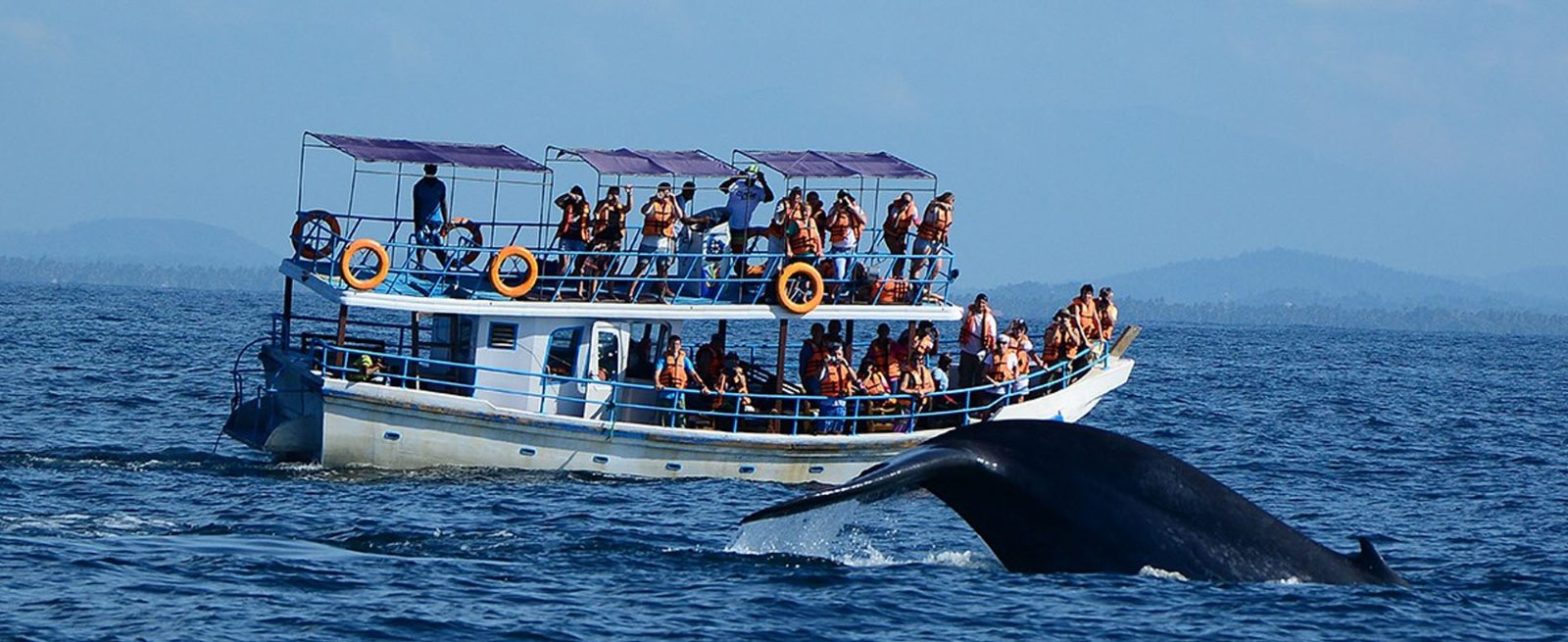
The Indian Ocean off Mirissa's southern coast serves as a migratory corridor for blue whales traveling between the Arabian Sea and the Bay of Bengal, making it one of the few places on Earth where sightings occur year-round rather than seasonally. This geographic advantage has turned the small fishing harbour into a departure point for daily whale-watching expeditions, but the pricing structure often confuses first-time visitors—especially Sri Lankan residents trying to distinguish between mandatory government fees and operator charges. Every person boarding a whale-watching vessel from Mirissa Fisheries Harbour pays a 19.50 USD conservation fee to the Department of Wildlife Conservation, processed at the harbour office before embarkment. This fee is non-negotiable and identical for locals and international tourists. It funds patrol operations, research programs, and enforcement of the 100-meter approach distance that protects cetaceans from vessel harassment. The payment is separate from the boat operator's fee, which covers the vessel, crew, safety equipment, and the three-to-four-hour excursion itself. Operator pricing varies widely—some offer discounted rates for Sri Lankan nationals upon presentation of a national identity card, while others maintain a single-tier structure. Because no standardized local rate exists across all operators, residents should request confirmation of any resident discount when booking, ideally in writing or via a confirmed reservation message. Whale watching Mirissa price for locals hinges on understanding this two-part payment model. The conservation levy remains fixed, but the operator portion—which represents the majority of the total cost—is where resident pricing may apply. Peak sighting months run from November through April, when calmer seas and increased plankton concentrations draw larger pods, though blue whales and spinner dolphins appear throughout the year. Boats depart daily at 06:30 from the harbour, with check-in beginning at 06:00. Booking ahead is recommended during holiday weekends and school vacation periods, when domestic tourism swells and vessel capacity fills quickly. Residents planning a trip should compare operator rates, verify what the quoted price includes, and confirm whether the conservation fee is bundled or paid separately at the harbour.
“The Indian Ocean off Mirissa serves as a year-round migratory corridor for blue whales, one of the few places on Earth where sightings occur in every season.”
Daily Operational Hours for Whale Watching Mirissa Price for Locals
Whale watching departures operate daily from the Mirissa Fisheries Harbour. These hours represent the standard window during which vessels are available for excursions.
| Monday | 06:00–11:00 | |
|---|---|---|
| Tuesday | 06:00–11:00 | |
| Wednesday | 06:00–11:00 | |
| Thursday | 06:00–11:00 | |
| Friday | 06:00–11:00 | |
| Saturday | 06:00–11:00 | |
| Sunday | 06:00–11:00 |
Arriving at the Harbour for Whale Watching Mirissa Price for Locals
Whale watching excursions depart from the Mirissa Fisheries Harbour, located along Harbour Road in Mirissa. The most efficient way to reach the harbour is by taxi or private vehicle, providing direct access to the departure area.
Direct to Mirissa Fisheries Harbour
Route 32 (Matara-Colombo) to Mirissa Junction
Walk south via Harbour Road
Preparation Checklist for Whale Watching Mirissa Price for Locals
Confirm these steps before your early morning departure to ensure a smooth experience.
-
Confirm your booking reference — Operators require proof of reservation at check-in.
-
Bring valid photo ID — Required for all participants during registration.
-
Pack motion sickness medication — Conditions can be choppy; take preventatively if prone.
-
Wear layered clothing and sun protection — Early mornings are cool; midday sun is strong on open water.
-
Charge your camera or phone — Whale sightings are brief and lighting changes quickly.
-
Set an alarm for 05:00 — Arriving by 06:00 allows time for check-in before the 06:30 departure.
-
Carry cash for incidentals — Not all vendors at the harbour accept cards.
Check availability
Whale watching Mirissa price for locals and logistics
Everything you need to know about whale watching mirissa price for locals